
Meet the US Trader Who Bought a Saudi Football Club
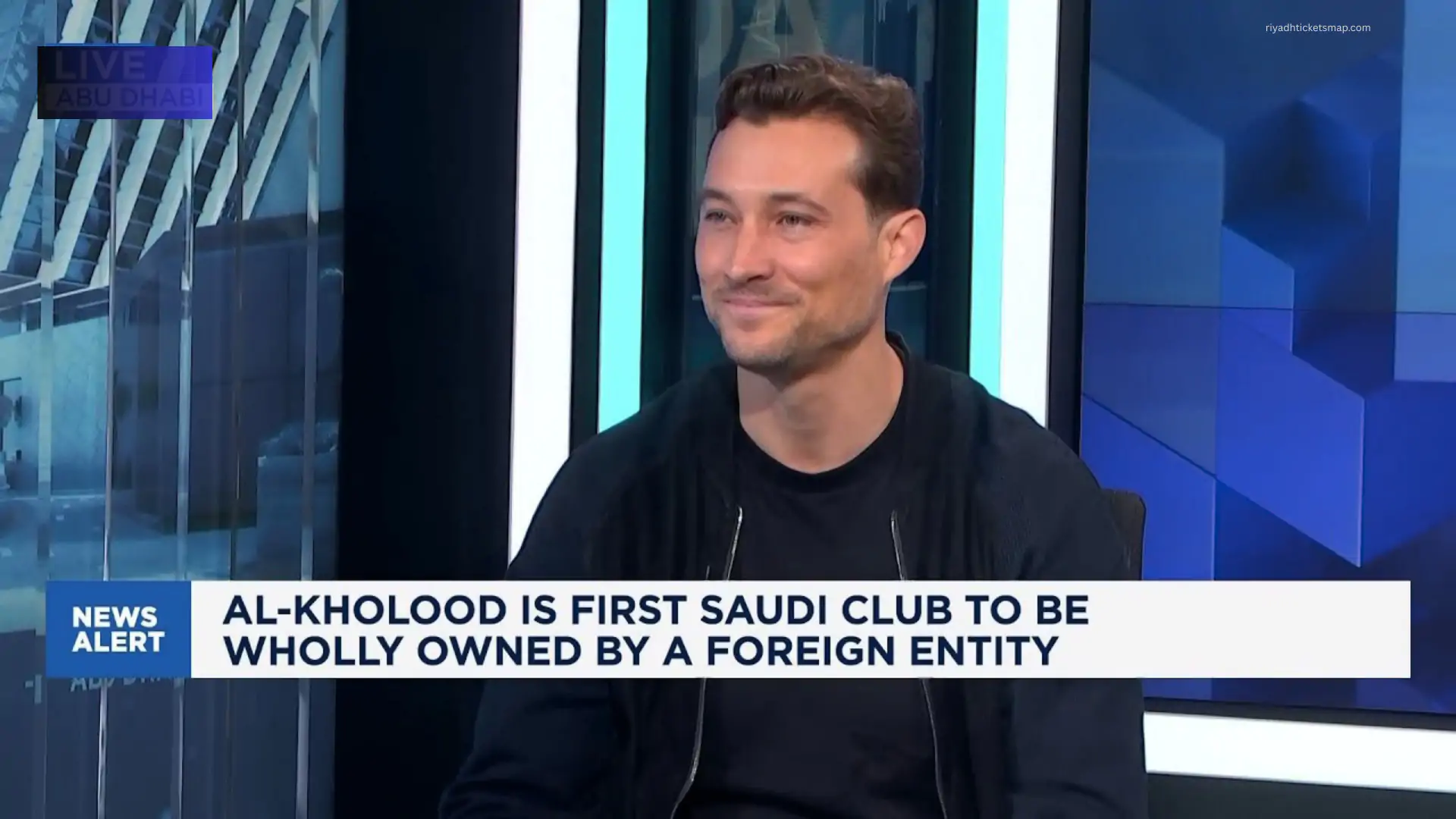
US Trader Bought Al-Kholood
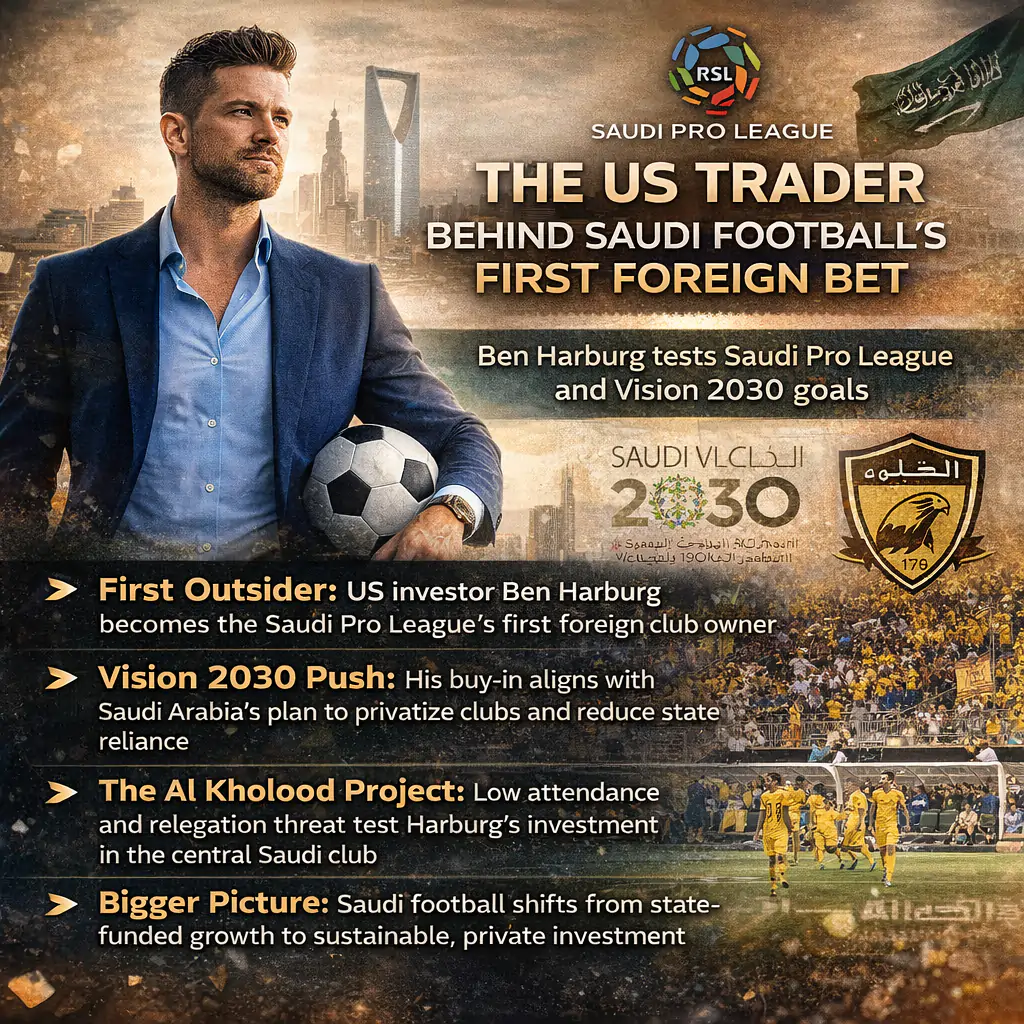
- Who: US investor Ben Harburg becomes the Saudi Pro League’s first foreign club owner.
- Why it matters: The move tests Vision 2030’s plan to privatize clubs and reduce state reliance.
- The challenge: Al Kholood faces low attendance, financial pressure, and relegation risk.
- The bigger picture: Saudi football’s shift from state-backed growth to sustainable investment.
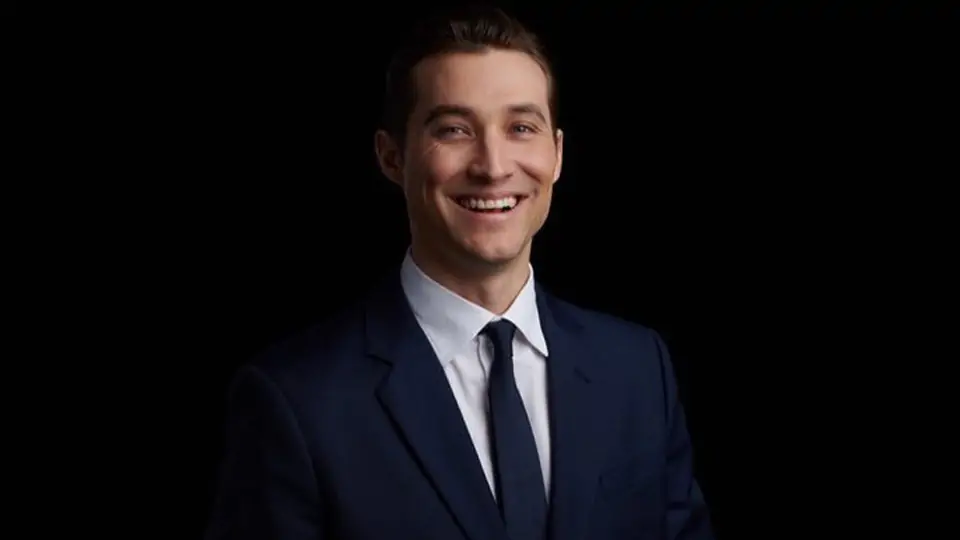
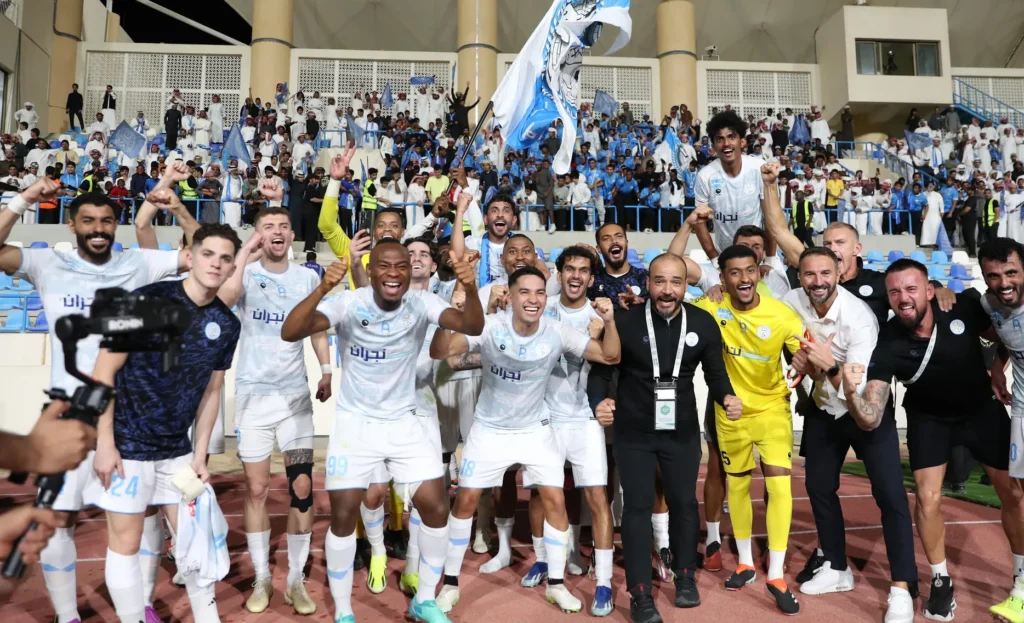
When Al Kholood won a seven-goal thriller to reach the semi-finals of the King’s Cup for the first time, one figure stood out amid the celebrations. Ben Harburg, a 42-year-old American trader and investor, was watching his football team make history — and with it, Saudi Arabian football crossing a threshold it had long anticipated.
Harburg is the first non-Saudi owner of a club in the Saudi Pro League, a league central to Crown Prince Mohammed bin Salman’s Vision 2030 plan to modernize the kingdom and turn its domestic competition into a global sports brand ahead of hosting the 2034 World Cup.
“The Harburg Group brings proven international football experience,” a Saudi Ministry of Sports spokesperson said. Al Kholood’s performance this season, the official added, “shows they are already adding value.”
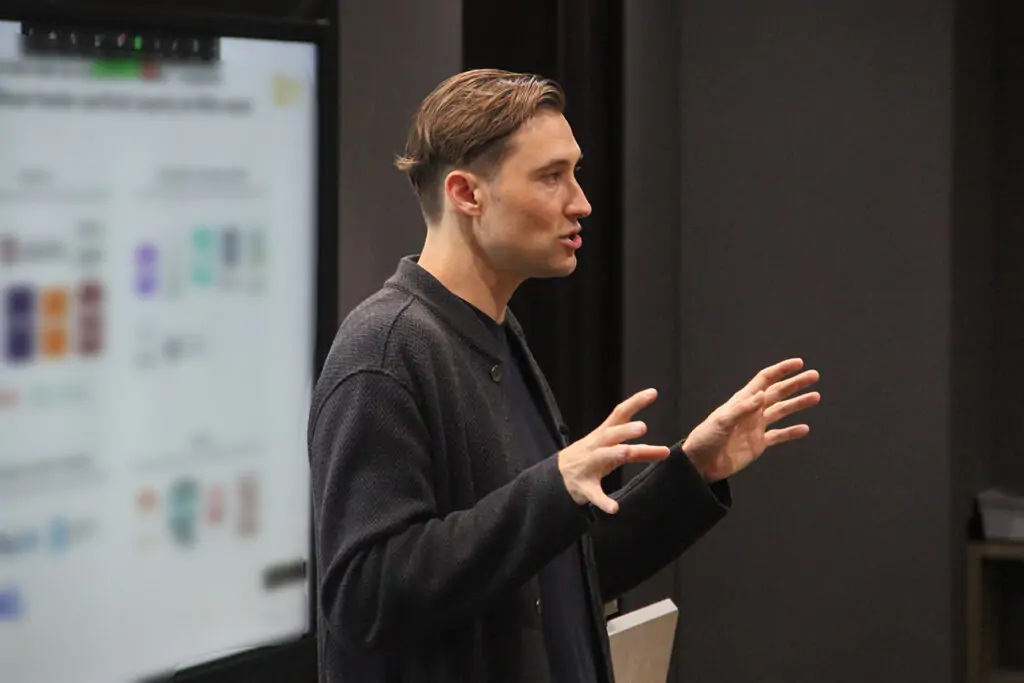
Yet Harburg’s arrival — and his background — also underline the calculated risks Saudi Arabia is taking as it opens its football system to foreign capital.
A symbolic moment for Saudi football
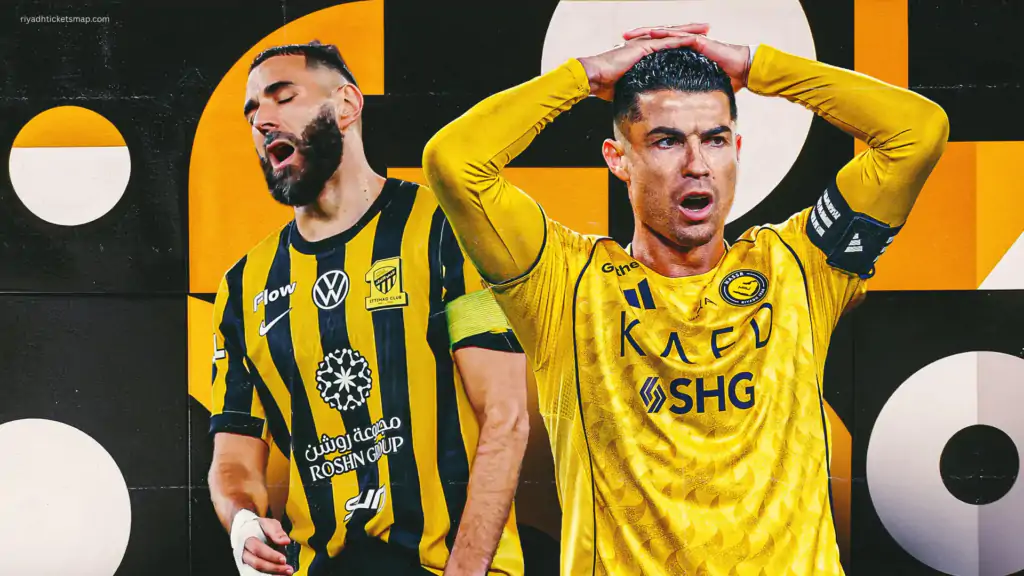
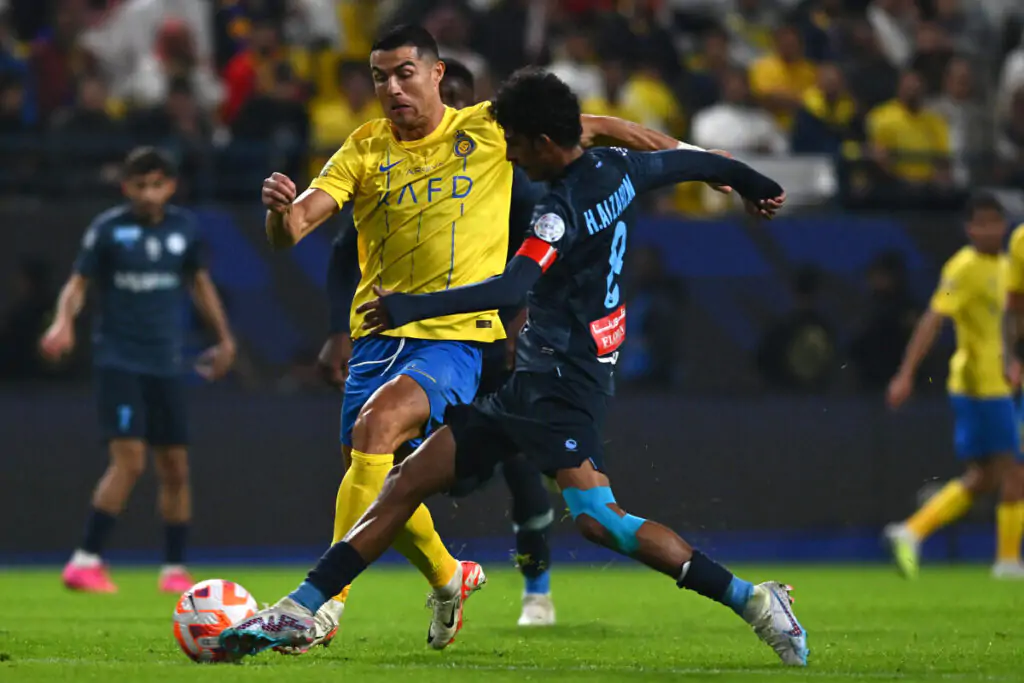
Saudi football has spent billions in recent years to attract global stars such as Cristiano Ronaldo and Karim Benzema, using state support to accelerate its international profile. Foreign ownership represents the next phase: reducing long-term dependence on state funding, raising club valuations, and professionalizing governance.
In that context, Harburg’s presence is symbolic. He is neither a celebrity nor a football executive known in Europe’s elite leagues. Even within football finance circles, he is relatively obscure.
That made his selection as the league’s first foreign owner a notable gamble.
Who is Ben Harburg?
Tall, globe-trotting, and fond of open-collar shirts, Harburg has described a career spanning commodities trading, venture capital, and technology investing. He has said he founded a major South Asian commodities trading business, invested early in some of Silicon Valley’s biggest names, and played a role in shaping football media strategy in Spain.
He also owns a 6% stake in Cádiz CF, where the club credits him with helping broaden its international outlook.
But interviews with more than a dozen people who have worked with Harburg suggest that elements of his professional narrative have been overstated — from the scale of his trading operations to his family’s historical connections.
The Al Kholood bet
Harburg was offered three potential Saudi clubs to buy. One, Al Akhdoud, is based near the Yemeni border in Najran. Harburg later claimed on a podcast that security concerns, including Houthi rocket fire, made touring its facilities impossible.
Another option, Al-Orobah, had just been relegated.
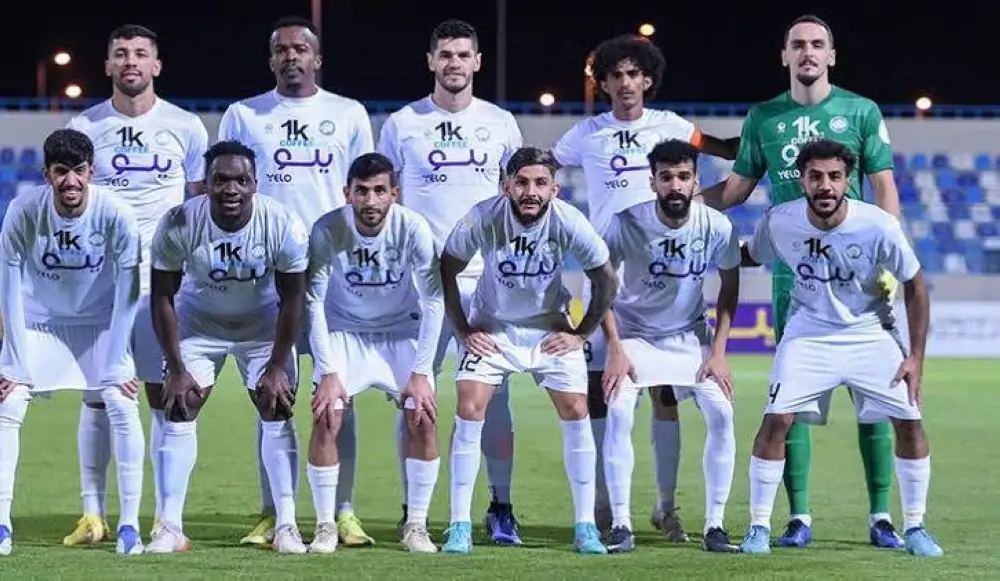
That left Al Kholood, a modest club based in central Saudi Arabia that had only reached the top flight in 2024. Despite playing in the Saudi Pro League, the club averages fewer than 4,000 fans per match, among the lowest attendances in the league.
For Saudi authorities, however, Al Kholood was ideal: small enough to test foreign ownership without destabilizing the system.
Early success — and early friction
Harburg’s tenure began with optimism. Al Kholood’s cup run delivered immediate visibility, and he spoke publicly about revamping the club’s operations and infrastructure.
“In a much shorter timeframe than we anticipated, we have delivered on much of what we targeted,” Harburg told Bloomberg. “We are about where we hoped to be in the league, and qualifying for the semi-finals of the King’s Cup with three of the four best clubs was the cherry on the top.”
But the momentum has not been uninterrupted.
A shirt sponsorship deal with Muzz, a Muslim dating and marriage app, was canceled after one match following fan protests. Harburg later apologized on social media, saying the deal “was not aligned in the desired manner with our community’s values and our audience’s aspirations.”
Despite cup progress, Al Kholood remain just above the relegation zone.
Saudi football’s broader financial reset
The Saudi Pro League remains heavily subsidized by the Public Investment Fund (PIF), the kingdom’s sovereign wealth fund. Under Vision 2030, however, the aim is to cut league debt, increase club valuations, and transition toward sustainability.
That effort includes privatization. In 2023, the government sold stakes in several major clubs to PIF and Saudi Aramco, including Al Nassr. Opening ownership to foreign investors was designed to help the league compete not only with Asian rivals, but eventually with Europe’s top divisions.
More than 40 investors expressed interest in buying Saudi clubs, according to the Ministry of Sports.
“The process typically takes three to six months and involves multiple government entities to ensure full rigor,” a ministry spokesperson said.
Scrutiny of Harburg’s background
While there is no suggestion of wrongdoing, Harburg’s career claims have been questioned by former colleagues.
After leaving Boston Consulting Group in 2007, Harburg moved to Jakarta to enter commodities trading. He later joined CWT International in Singapore, where he helped establish a coal trading desk. Following a merger, he left in 2012 and became an early employee at Avra Commodities, setting up an Indonesia-focused coal operation.
Former colleagues dispute that he founded one of Asia’s largest commodities trading firms. One former CWT executive said Harburg’s desk incurred losses, a claim Harburg denies.
“I unequivocally launched a major Southeast Asian commodities trading firm in Avra,” Harburg said by email. “The volume of coal we traded and scale of our turnover was (and remains) very significant.”
Neither CWT nor Avra responded to requests for comment.
Venture capital and political networks
In 2015, Harburg joined MSA Capital, a Beijing-based venture capital firm. The fund has invested in companies including Meituan, Palantir, and Airbnb.
Harburg later married MSA co-founder Jenny Zeng and became a managing partner. He has cited a $200 million Palantir investment made in 2015 as a career-defining success.
“I’m not sure what your metric is for being a successful investment,” he said. “But the Palantir investment alone is the kind of home-run deal that makes a career.”
Harburg’s China work also led to board roles at organizations such as the National Committee on US-China Relations. He previously said his father flew Henry Kissinger during historic diplomatic missions — a claim later clarified. His father confirmed involvement in later operational flights, not the original 1970s missions.
Buying a club — and fixing it
When Harburg took over Al Kholood in 2025, the club was struggling.
“A lot of key staff resigned at the handover,” he recalled on a podcast. “All the people that kind of knew and had the keys to the place ran away.”
Salaries had reportedly gone unpaid for six months, leaving the club under league sanctions.
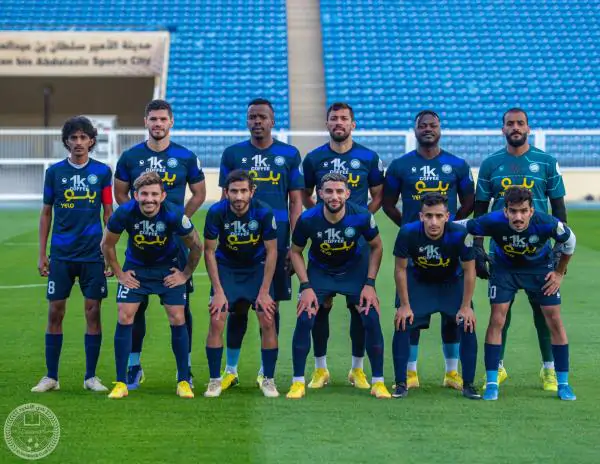
Since then, Harburg has redesigned the club crest, hired an English coach with overseas experience, invested in new players, and begun planning training-facility redevelopment. Community outreach has included visits to schools and hospitals.
The cost is substantial.
“I can’t disclose the exact price,” Harburg said. “There was a component of acquiring the club equity, paying off outstanding debts, and a pledge for future infrastructure. That’s tens of millions of dollars — upwards of $30 million.”
On the pitch: signs of progress
While league survival remains the priority, Al Kholood have shown resilience.
Notably, the club recently recorded its first-ever Saudi Pro League draw after 43 matches without one, a milestone in stabilizing performances. The team has also remained competitive across league and cup fixtures despite limited depth and financial constraints.
Attendance, sponsorship revenue, and long-term commercial partnerships remain the biggest challenges.
What comes next
Harburg expects state support to continue through the 2034 World Cup, after which clubs will be expected to stand increasingly on their own.
In the long term, he has not ruled out raising additional capital or expanding his football holdings. He has spoken about potentially acquiring more European clubs or buying out remaining shareholders at Cádiz.
For Saudi Arabia, the experiment is larger than one club.
If Al Kholood succeeds under foreign ownership, it strengthens the case that the Saudi Pro League can evolve from a state-backed project into a credible, investable global football business.
For now, the spotlight remains on Ben Harburg — and whether the kingdom’s first foreign football owner can turn symbolism into sustainability.