
Ronaldo Still Training at Al-Nassr Amid January Window Fallout
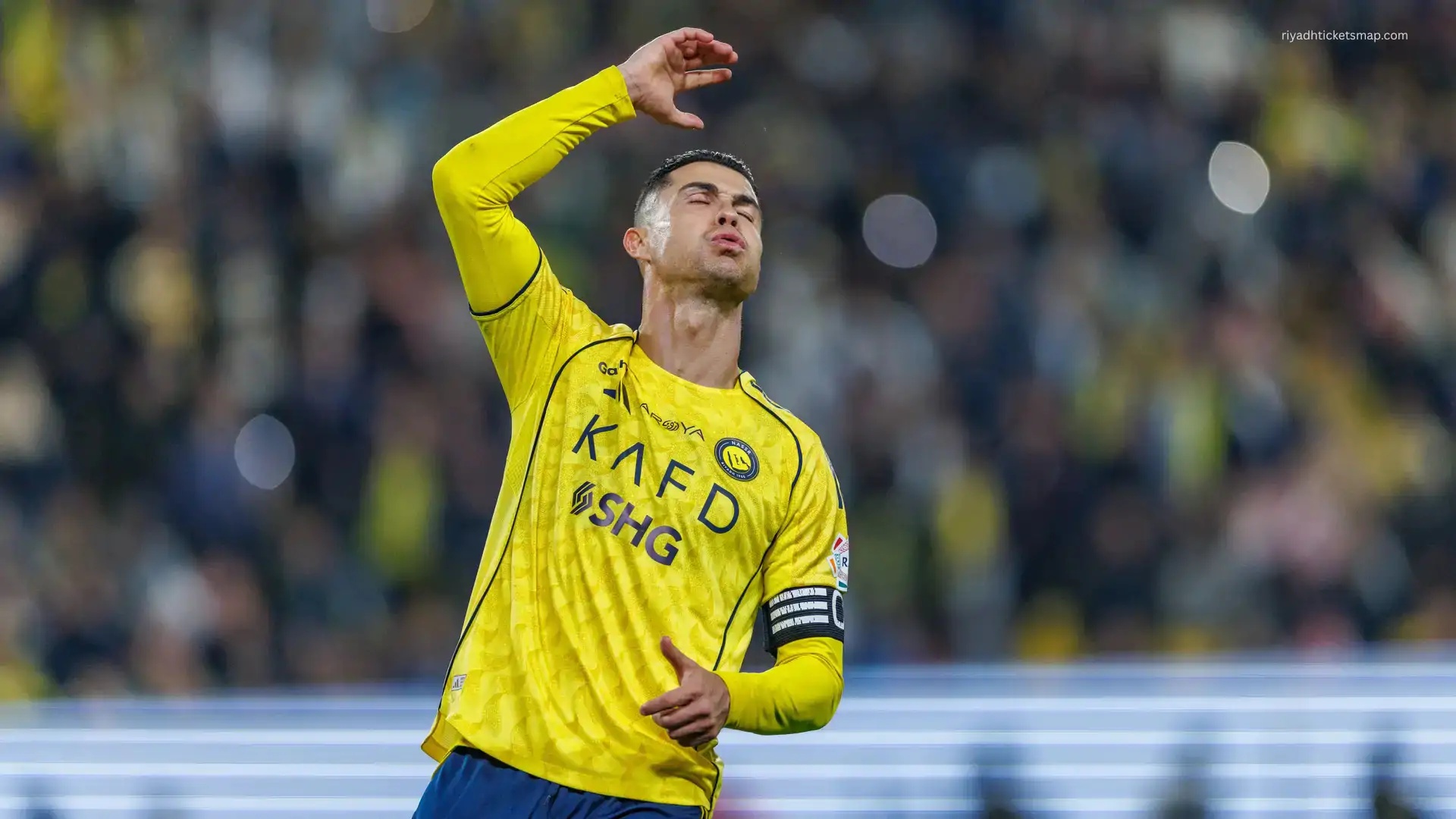
Ronaldo & Al-Nassr
- Training status: Cristiano Ronaldo has not left Riyadh and continues training normally with Al-Nassr, despite online claims.
- What caused tension: Frustration stems from January transfer outcomes and concerns over competitive balance inside the league.
- Benzema factor: Karim Benzema’s move to Al-Hilal sharpened perceptions of uneven reinforcement among title rivals.
- What’s next: A return to Portugal is ruled out; future options point toward MLS or Europe under strict conditions.
Cristiano Ronaldo has not left Riyadh, and—despite the noise that built across a feverish 24–48 hours of social media and recycled aggregations—there is no confirmed training-ground “strike” at Al-Nassr. The most credible reporting available says he has remained with the squad and continued his routine even as frustration around Al-Nassr’s January window and the league’s internal power dynamics has spilled into public view.
What has happened, instead, is a familiar modern football pattern: a genuine tension point inside a high-stakes club meets a hyper-connected information ecosystem that rewards certainty over accuracy. Ronaldo’s status as the Saudi Pro League’s biggest global asset ensures every absence, every squad omission, every cryptic report becomes a referendum on the project itself.
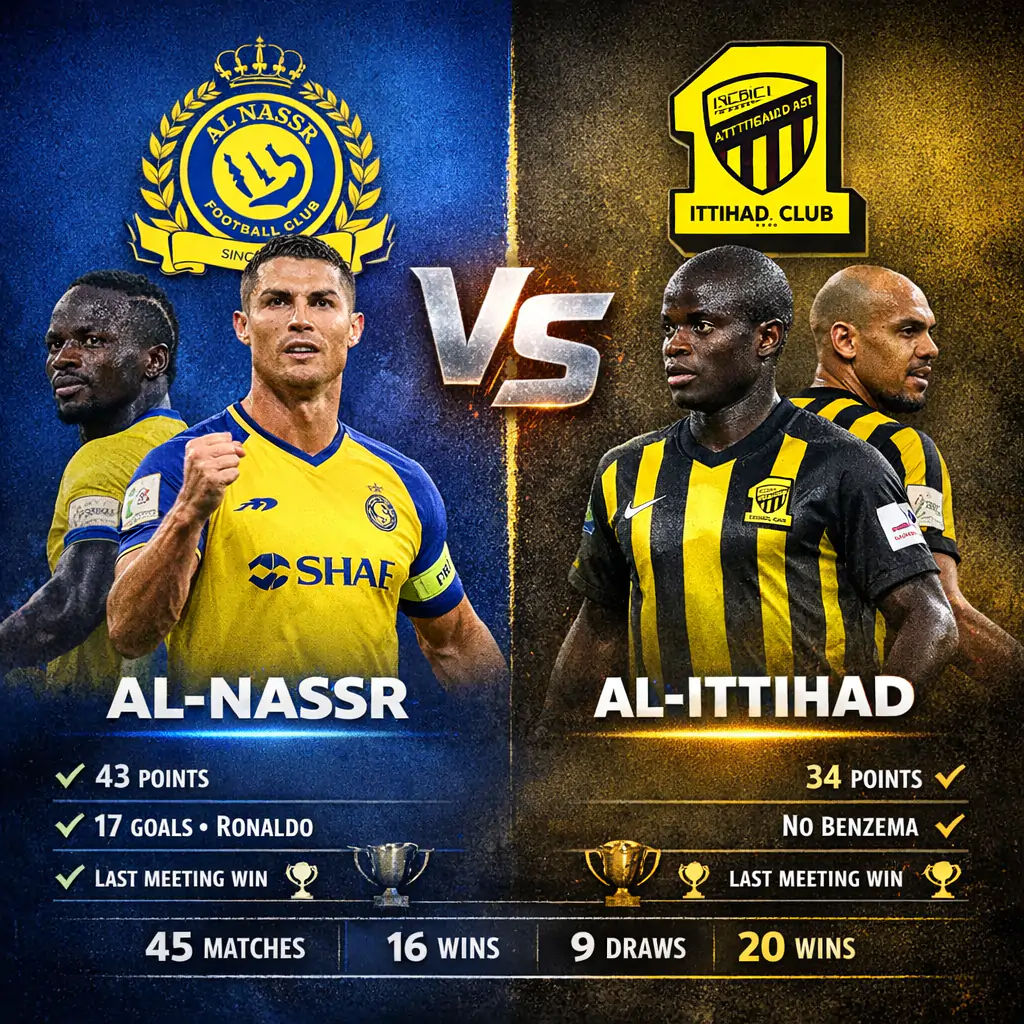
The task now is not to inflate the story—but to slow it down, separate what is known from what is merely loud, and explain why this episode matters to Al-Nassr, the PIF-backed league structure, and Ronaldo’s endgame.
What actually happened?
The spark for this round of speculation was not a training photo or a flight tracker—it was Ronaldo’s non-involvement around Al-Nassr’s most recent match cycle. FOX Sports reported that he was left out of Al-Nassr’s squad for a league game against Al Riyadh amid growing talk of dissatisfaction tied to transfer policy and the way the Public Investment Fund (PIF) allocates support across its flagship clubs.
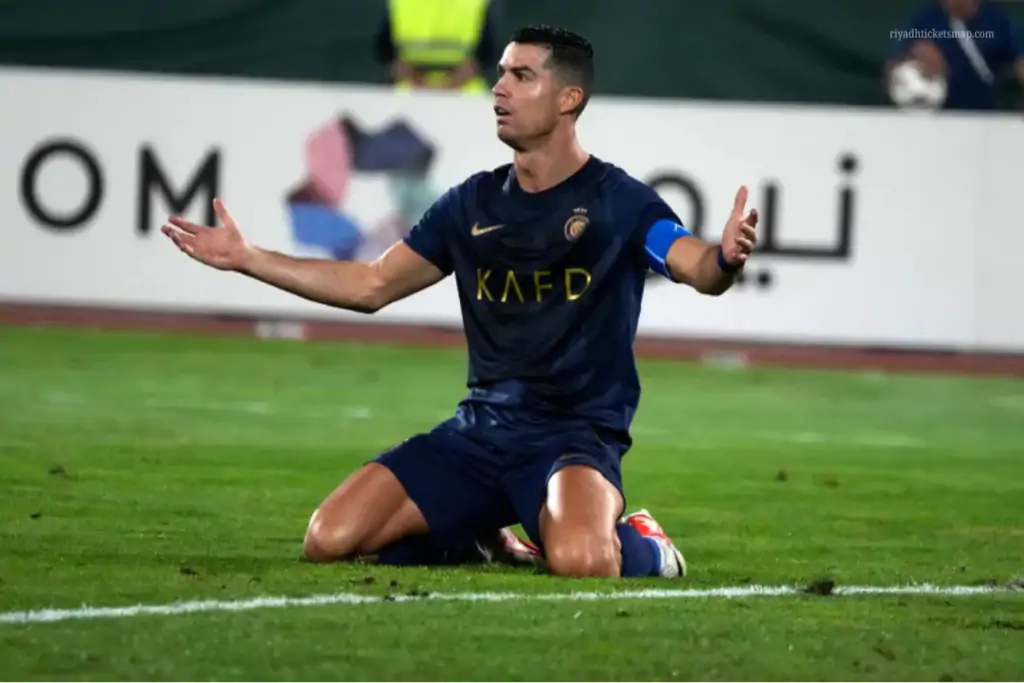
From there, the story accelerated in predictable ways:
- Social accounts and secondary outlets filled in blanks with assumptions—“boycott”, “refusal”, “gone missing”—because those words travel faster than “unclear” and “unverified”.
- The theme was easy to sell: Ronaldo, unhappy, flexing leverage.
- The context—Al-Nassr chasing a title, a major rival strengthening, and the league’s most famous figure bristling—made it plausible enough for people to share first and ask later.
Then came the corrective. Goal.com’s report says Ronaldo has not left Riyadh and has continued training normally, framing the “strike” narrative as overstated and insisting a return to Portugal is not on the table.
That’s the key distinction to hold onto: there is credible reporting of discontent and friction, and there is credible reporting denying a training-ground walkout. Those can both be true at the same time—because dissatisfaction doesn’t automatically equal absence, and a squad omission doesn’t automatically equal a player disappearing from the club.
Ronaldo’s position inside Al-Nassr
It is worth stating plainly: Ronaldo’s professional baseline is rarely casual. Even critics tend to concede the same point—his habits are part of his mythology. That is why the “no-show” storyline lands so sharply; it implies a break from the one thing that has defined him across Manchester, Madrid, Turin and now Riyadh: a relentless commitment to routine.
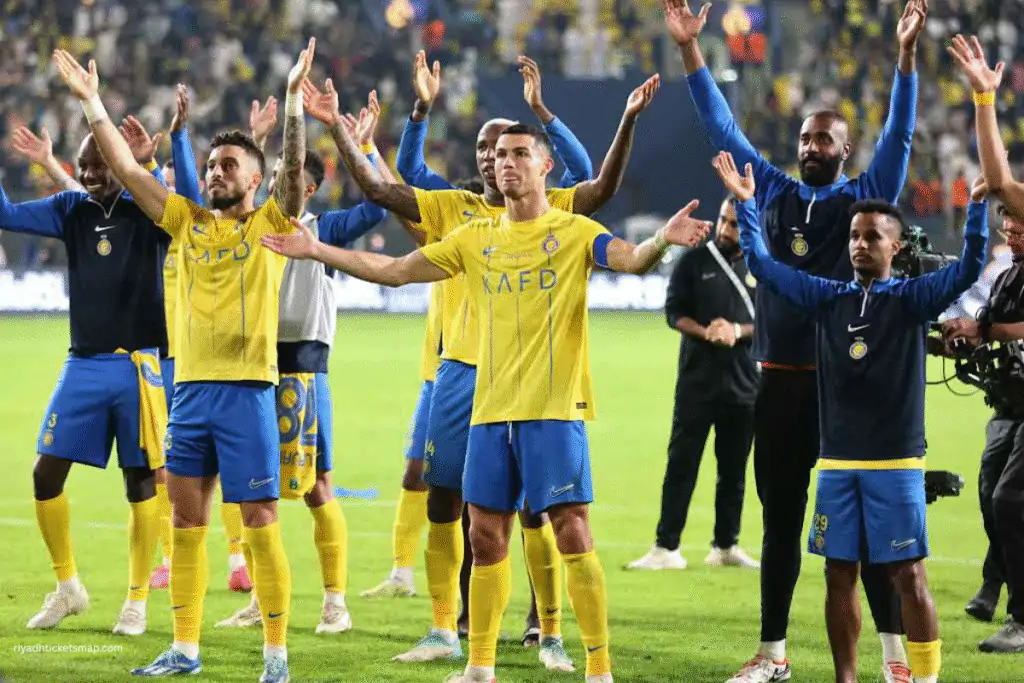
The reporting that matters most here is simple: he has remained with the club and continued to train. That does not mean everything is harmonious. It means the threshold for “strike” has not been met by verified information.
Inside the dressing room, this matters. Al-Nassr do not simply carry Ronaldo as a star; they are constructed around his decisive moments. A public rupture would destabilise the hierarchy, force the coach into daily damage control, and shift attention away from results. Keeping him present, training, and available—whatever the private irritation—keeps Al-Nassr functional.
The January frustration: Benzema transfer
Here is the content gap most quick-hit news items skip: Ronaldo’s frustration is not just about “signings”. It is about competitive logic inside a league that is both a football competition and a managed project.
The Saudi Pro League’s “Big Four” reality—Al-Nassr, Al-Hilal, Al-Ittihad and Al-Ahli—has long been tied to the influence of PIF in shaping competitiveness and profile. When one of those clubs believes the balance of support has tilted, it becomes a sporting issue, a political issue, and a messaging issue.
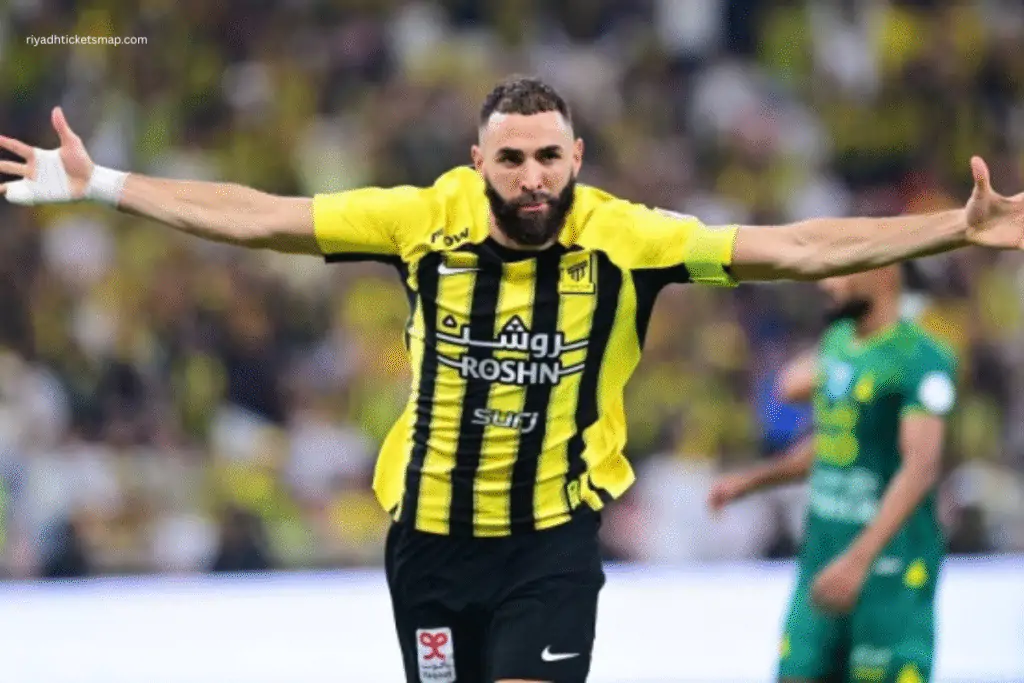
In this window, the flashpoint was Karim Benzema’s move to Al-Hilal.
Reuters reported on February 2, 2026 that Benzema officially joined Al-Hilal after leaving Al-Ittihad, with his contract terminated after he declined an extension offer. The Asian Football Confederation also carried the transfer confirmation.
So why did this trigger Ronaldo’s reaction—at least as widely reported?
Because Al-Hilal are not just any rival. They are the title pace-setters, and in the league table snapshot carried by FOX Sports, Al-Hilal lead on 47 points with Al-Nassr second on 46. Strengthening the league leaders with a proven, high-profile forward—especially one arriving from another “Big Four” club—feels, to those inside the ecosystem, like a redistribution of advantage.
The Guardian framed the broader issue bluntly: the league is now confronting awkward questions about how much influence global stars can exert and how much control the league and its backers retain when the biggest names begin to push back publicly or semi-publicly.
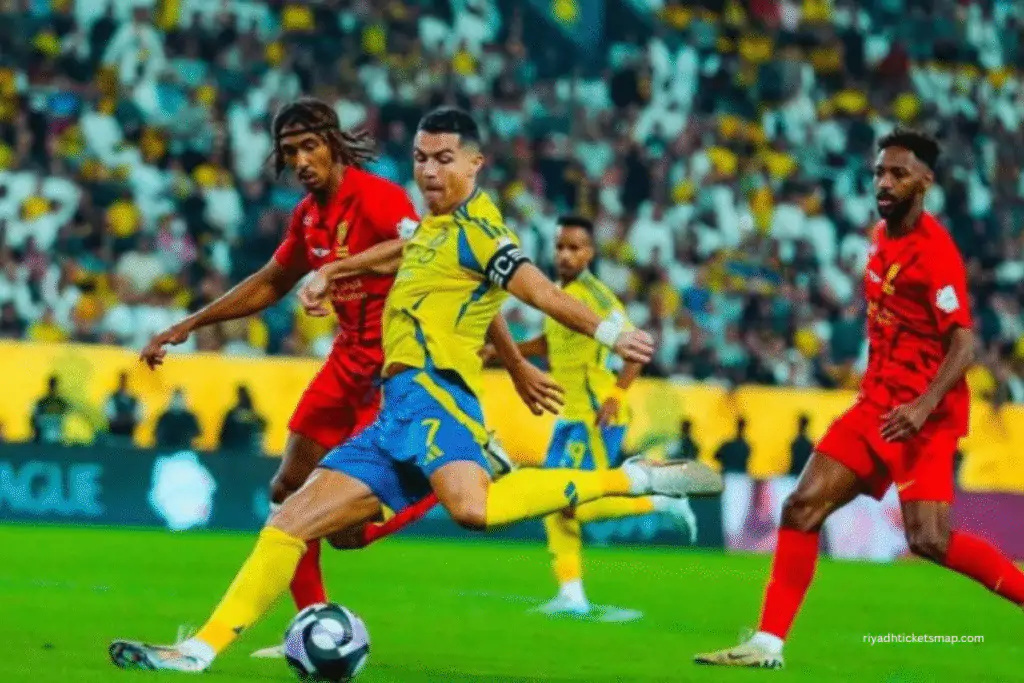
The point is not whether Ronaldo is “right” to feel aggrieved. The point is that in a league built partly on strategic balance and global optics, perceived imbalance becomes combustible—especially when the person expressing the frustration is also the face of the product.
And Benzema is not a minor detail. Reuters notes he had scored 16 goals in 21 matches across competitions this season for Al-Ittihad before the switch. That is not a cosmetic signing; it is a competitive intervention.
Why Portugal is not an option?
Goal.com’s report is explicit that a return to Portugal has been ruled out. The reasons are not complicated, but they matter—and they are often skipped in shorter rewrites.
A homecoming would be emotionally neat and commercially easy, but it fails on the three things that now shape Ronaldo’s career choices:
- Sporting level and objectives
Ronaldo still operates as if he is chasing elite benchmarks—goals, trophies, relevance, visibility. The Portuguese league, even at its best, cannot offer the week-to-week intensity or global commercial footprint that matches his current positioning. - Financial structure
The economic gulf is obvious. Even Portugal’s biggest clubs would struggle to make a deal work without it becoming a distortion. - Brand positioning
Ronaldo’s post-European career has been about entering new markets while remaining central to the global conversation. A domestic return would be a nostalgic epilogue; his camp appears to prefer a move that reads like a strategic final chapter.
MLS vs Europe: What the real future options look like?
MLS: a commercial runway that fits the timeline
If Ronaldo’s next move becomes reality, MLS is the option that aligns most cleanly with football and business logic. It offers:
- A mature commercial environment
- A league built for star narratives
- A schedule and travel reality that can be managed with smart usage
- Continued relevance without the weekly pressure-cooker of a Champions League contender
It is not “easier”—it is different. And it is an ecosystem that understands how to stage late-career icons without pretending they are 27.
Europe: limited, but not impossible—if the right conditions exist
A European return is harder to map because it depends on conditions that few clubs can satisfy:
- A roster built to carry minutes and protect the player
- A wage structure that does not fracture dressing-room economics
- A coach prepared to manage status and selection
- A sporting objective that benefits from a specialist finisher rather than an all-phase forward
In other words: it cannot be a nostalgia signing. It would have to be a tactical and commercial fit at the same time.
That’s why credible reporting tends to frame “Europe” as conditional rather than imminent.
Why this still matters on the pitch
The reason this story refuses to die is simple: Ronaldo remains productive, and Al-Nassr still depend on him.
On the Saudi Pro League’s official player page, Ronaldo is listed with 17 goals in the 2025–26 league season, alongside appearances and discipline data. That level of output—at this age, in a team chasing the top—turns any internal tension into a league-level issue. A marginalised Ronaldo would not just be a club problem; it would be a narrative shock for the competition.
And that’s where Al-Nassr’s calculus becomes delicate. They need the goals, they need the brand, and they need the stability. Handling dissatisfaction without public fracture is not a luxury; it is a necessity.
What this means for Al-Nassr and the Saudi Pro League
This episode sits at the intersection of three pressures:
- The title race is tight
With Al-Hilal leading and Al-Nassr close behind, every point and every headline matters. - The league’s governance model is under a brighter light
When major moves—like Benzema to Al-Hilal—are interpreted as structural advantage, the league’s competitive credibility becomes part of the conversation, not just the football. - Star power is no longer passive
The Guardian’s reporting captures the risk: when the league’s biggest names begin to test boundaries, the project has to decide who sets the terms—clubs, the league, ownership structures, or the stars themselves.
The Saudi Pro League has spent years building a global narrative of ambition and legitimacy. That narrative benefits from stars who deliver on the pitch and promote the product off it. But it becomes fragile when those same stars begin to communicate dissatisfaction—directly or indirectly—because the league’s strategy relies on coherence.
That is why the most important part of this story is not whether Ronaldo missed a session. It is what his frustration reveals about the balance of power in a league still defining itself.
The clearest read right now
- There is credible reporting that Ronaldo has not left Riyadh and continues to train normally, undercutting the more explosive “strike” framing.
- There is also credible reporting that he was not included in a recent squad, amid talk of frustration with transfer policy.
- Benzema has officially joined Al-Hilal, strengthening the title leaders and adding weight to the competitive grievance narrative.
- Portugal is not considered a realistic destination; the plausible options discussed are MLS or Europe, under conditions that make sense for a 41-year-old superstar.
In short: the situation is real, but the most extreme version of it is not confirmed.