
Rúben Neves Commits to Al-Hilal, Ending PL Speculation
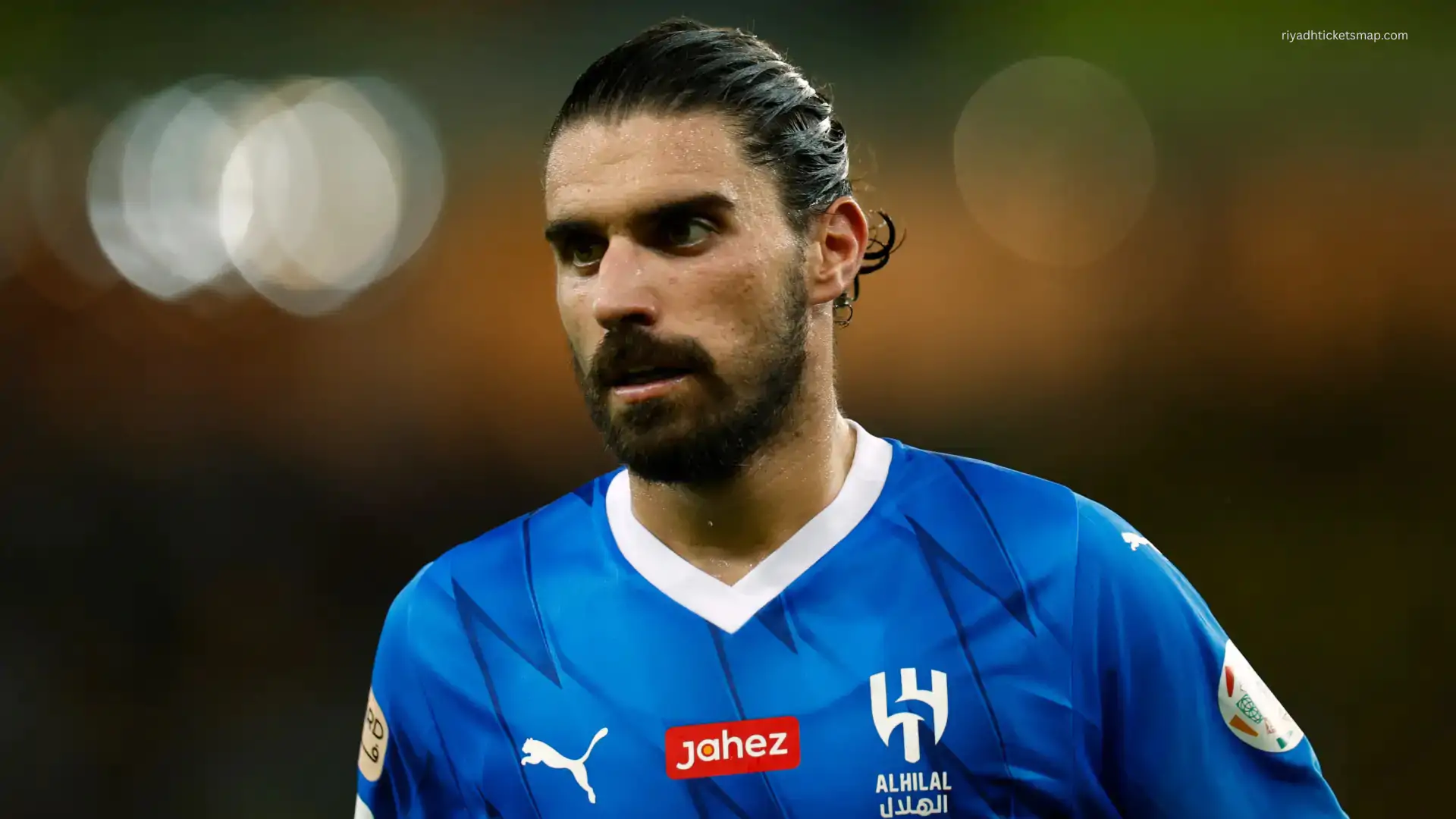
Rúben Neves Commits to Al-Hilal
- Contract decision: Rúben Neves has signed a new long-term contract with Al-Hilal running through 2029.
- Premier League links: English interest was driven by contract timing, not active negotiations.
- Club strategy: Simone Inzaghi pushed for continuity, viewing Neves as a midfield cornerstone.
- Market impact: The deal removes a proven elite midfielder from Europe’s summer availability pool.
Rúben Neves has done what the modern transfer cycle rarely allows: he has made the noise stop. The Portugal midfielder has not returned to England, has not opened the door to a Premier League reunion, and has not played the “wait-and-see” game into the summer. Instead, he has signed a new Al-Hilal contract running to 2029, ending the most persistent strand of mid-season speculation around his future.
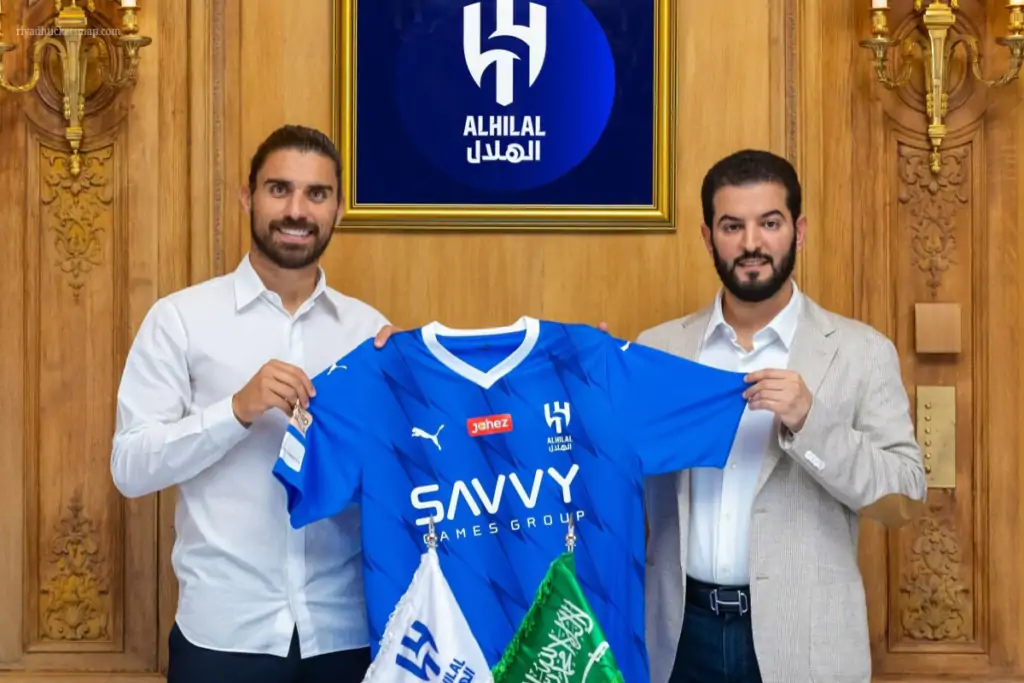
What is notable is not just the timing, but the clarity. Neves was drifting toward the final months of his existing deal, a period that typically encourages intermediaries, recruiters and rival clubs to test boundaries. Al-Hilal moved before the market could do what it usually does—turn contract uncertainty into an open invitation.
Rúben Neves Extends Al-Hilal
Al-Hilal confirmed the renewal through its official channels, finalising an agreement that keeps Rúben Neves in Riyadh until 2029. The timing matters because his prior contract was approaching expiry at the end of the season, making him eligible to negotiate freely with interested clubs once he entered the accepted pre-contract window.
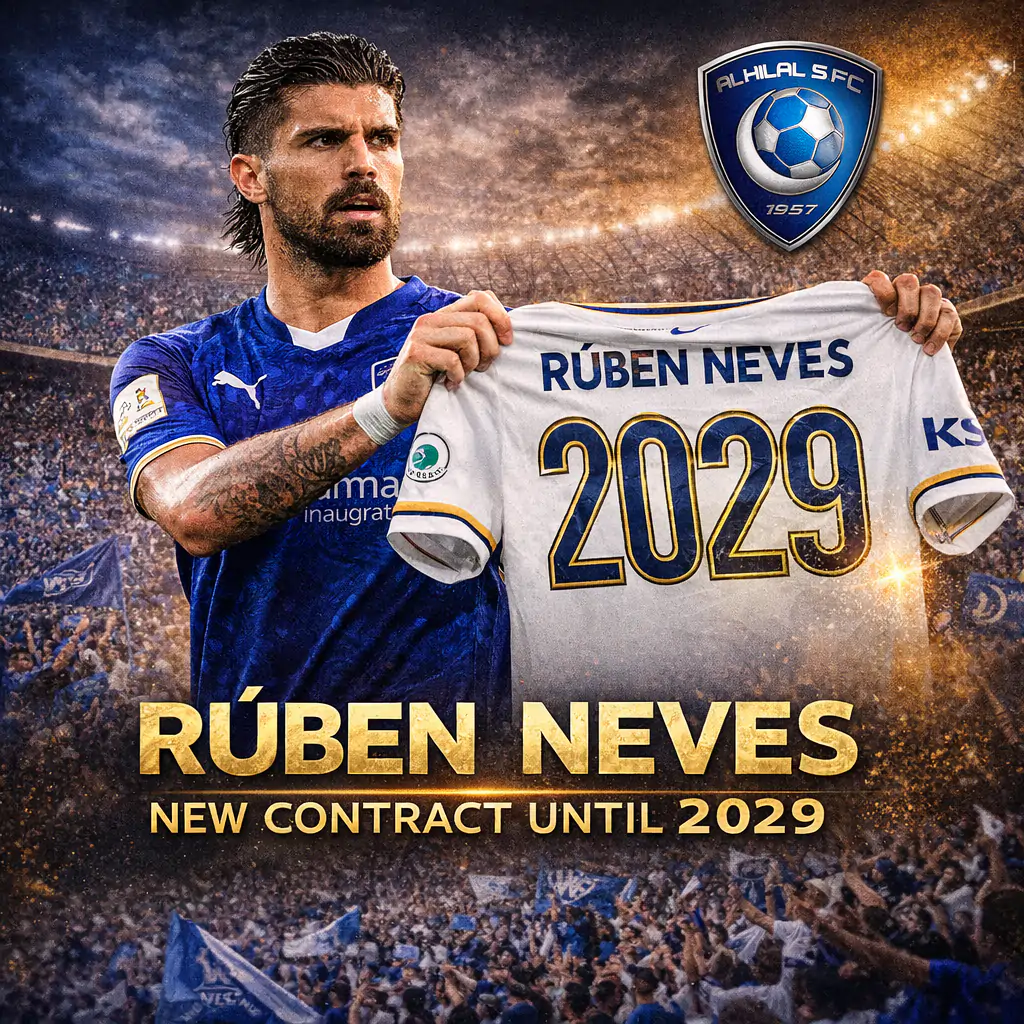
From a squad-building perspective, it is a retention win that lands like a signing. Neves is not simply “a midfielder” in the Saudi Pro League ecosystem; he is a tempo controller, a set-piece weapon and—by function—an organisational reference point for Al-Hilal’s shape.
Al-Hilal Contract Timeline Explained
Neves arrived at Al-Hilal in 2023 from Wolverhampton Wanderers for a reported £47 million, a transfer that was significant for two reasons. It imported a Premier League-proven central midfielder in his prime, and it did so with a player who had already captained FC Porto in the UEFA Champions League as a teenager.
امتداد موسيقي حتى 2029 🎼🤩 pic.twitter.com/dTX0HRFrwM
— نادي الهلال السعودي (@Alhilal_FC) February 4, 2026
His initial deal was structured for the first wave of Al-Hilal’s post-2023 project, built around immediate competitiveness and global credibility. The extension to 2029 signals that the club now sees him not as a short-term star acquisition, but as a long-term anchor.
Premier League Links Had Logic
The Premier League talk never needed to be theatrical to be plausible. Neves had elite-level experience, he was approaching contract leverage, and he has a profile that remains useful to the right English side—press-resistant, disciplined in position, and comfortable as both a deep distributor and a second-phase shooter.
That is why his name kept resurfacing around Arsenal and Manchester United in particular. The logic was not that a deal was “close”; it was that the opportunity structure was forming, and English clubs monitor those situations aggressively.
Manchester United Interest Explained
Manchester United’s interest was repeatedly framed as long-running rather than sudden. Goal’s reporting described Neves as a “long-term target” and referenced discussions between United officials and the player’s camp in December, even if no formal bid followed.

This is the detail that often gets lost in syndication. Many clubs keep “warm files” on players like Neves—midfielders with Premier League miles, leadership traits, and tactical flexibility—because those profiles become urgent when injuries hit or when a manager needs stability in the centre.
Arsenal Monitoring Was Predictable
For Arsenal, the logic is simpler: Neves is the kind of midfielder who raises a team’s control in tight games. He can play as the deepest midfielder, as a right-sided controller in a double pivot, and as a set-piece specialist when matches become structured and low-scoring.
That does not mean Arsenal were about to move. It means a player of Neves’ profile, with contract uncertainty, naturally sits in the “monitor” category for clubs who operate at the top end of the market.
Simone Inzaghi Backed Neves
One of the most telling aspects of the renewal is the coaching endorsement behind it. Reporting around the extension indicates the decision was made following a direct recommendation from Simone Inzaghi, Al-Hilal’s head coach, who views Neves as a core pillar of the midfield.
That matters because contract decisions at elite clubs are rarely sentimental. When a coach pushes for continuity on a specific player, it is usually because the system is built around what that player guarantees—rhythm, game management, and tactical trust.
Rúben Neves Role At Al-Hilal
Neves’ value at Al-Hilal is partly technical and partly structural. He is the player who can receive under pressure, turn play without panic, and set the tempo in games where opponents are happy to defend deep and wait for transitions.
He also solves a common problem in Saudi Pro League matches: control after the first wave. In games where Al-Hilal dominate territory, Neves helps ensure the dominance becomes repeatable pressure rather than one-off attacks.
Saudi Pro League Form Snapshot
The simplest way to understand why Al-Hilal chose certainty is to look at the output. On the Saudi Pro League’s official player page, Neves has 17 league appearances, with 8 goals and 5 assists in the 2025–26 season.
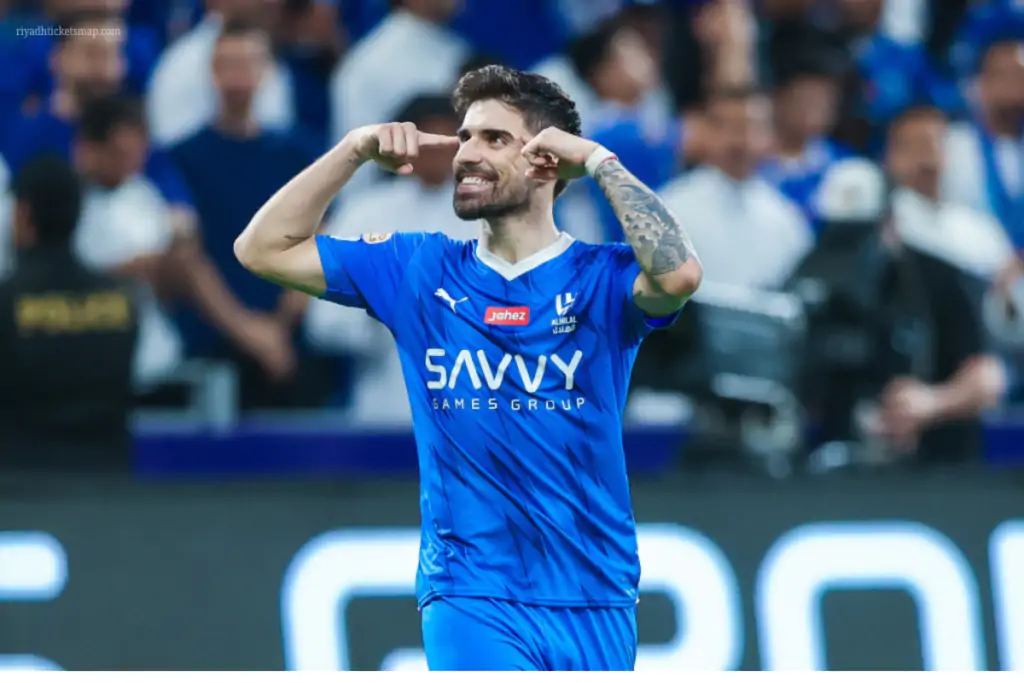
Those numbers are unusually strong for a central midfielder and underline a broader point: Neves is not merely circulating possession. He is influencing scoreboards, especially through set pieces, long-range strikes, and late arrivals around the box.
Also Read:
1. Ronaldo’s Al-Nassr Frustration Isn’t Going Away
2. Ronaldo Training with Al-Nassr
Al-Hilal Trophy Context Matters
Neves’ stay also makes sense within Al-Hilal’s current competitive posture. The club is operating at the sharp end of domestic titles and continental ambition, and it is doing so with a squad that blends elite imports with established Saudi internationals.
Continuity in the centre of the pitch is the easiest way to keep that machine running. Even for a club with resources, replacing a reliable midfield controller mid-cycle often costs more than retaining one.
Wolves Legacy Still Travels
Neves’ Premier League reputation is not based on nostalgia. At Wolves, he offered six seasons of reliability across the Championship promotion year and the Premier League period that followed, becoming one of the defining midfielders of the club’s modern era.
For Premier League clubs, that history still counts. It is not simply about “having played there”; it is about having carried responsibility there, week after week, in a league that punishes midfield indecision.
Why Portugal Return Faded
A return to Portugal was never the most logical pathway, even if it occasionally appeared in soft speculation. The salary structures, the competitive incentives, and the career optics do not align as neatly as they once might have for a late-career homecoming.
At 28, Neves is still in the prime window where players choose between peak-level competition and project-based dominance. His decision to extend at Al-Hilal indicates he sees Saudi football not as a detour, but as a central chapter.
Why This Ends Exit Talk
This extension shuts down the “free agent” theory that powered so much of the Premier League chatter. Once a player is locked until 2029, the discussion shifts from opportunistic recruitment to conventional transfer economics: fee, wages, timing, and club willingness.
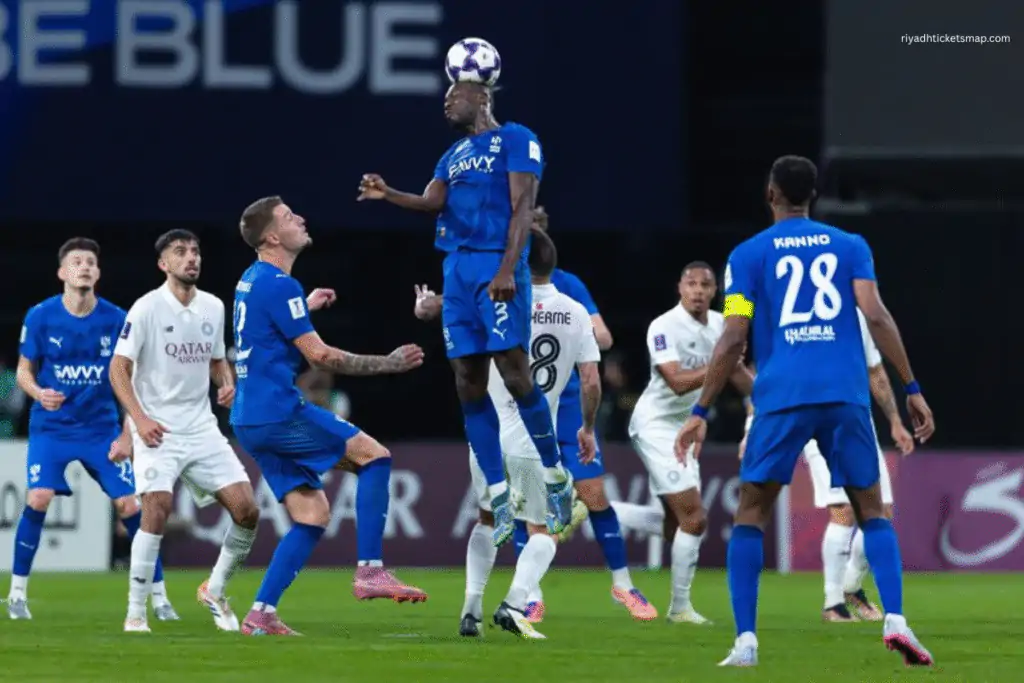
It also changes leverage. Clubs who might have waited for the summer to explore a low-cost deal now face a negotiation that starts with Al-Hilal in control.
Saudi Retention Strategy Signals
There is a wider market story here, and it is the part most quick rewrites miss. The Saudi Pro League’s early phase was defined by recruitment—getting stars and prime-age internationals through the door.
The next phase is retention. Extensions like Neves’ suggest that top Saudi clubs are increasingly focused on keeping their most functional elite players, not just cycling new names into the league.
European Midfield Market Impact
For European clubs, that matters because Neves sits in a category that is often hard to fill: a control midfielder with leadership traits and set-piece output. When a player like that is removed from the pool, it forces clubs to widen their search to younger, less proven profiles—or to pay more for players already under contract.
That is the quiet transfer-market consequence. The deal is not merely “Neves stays”; it is “a familiar European solution is no longer available.”
Al-Hilal Message To Rivals
Al-Hilal’s timing also reads as a message to competitors—domestic and international. In a league where ambition is constant and recruitment is often public, securing a key starter early reduces uncertainty and keeps focus on performance.
It also supports the coach. When Simone Inzaghi plans for decisive months, he can do so with a settled midfield spine rather than a contract subplot running in the background.
What Happens Next For Neves
The short-term implication is straightforward: Neves remains central to Al-Hilal’s campaign, with the club continuing to build around his ability to control games and influence big moments.
The longer-term implication is equally clear: any future move is now a transfer, not an exit. For the Premier League, that is a different conversation entirely—and one that usually starts with a higher price than clubs hope for.