
Cristiano Ronaldo’s Al-Nassr Dispute Explained Clearly
Ronaldo & Al-Nassr
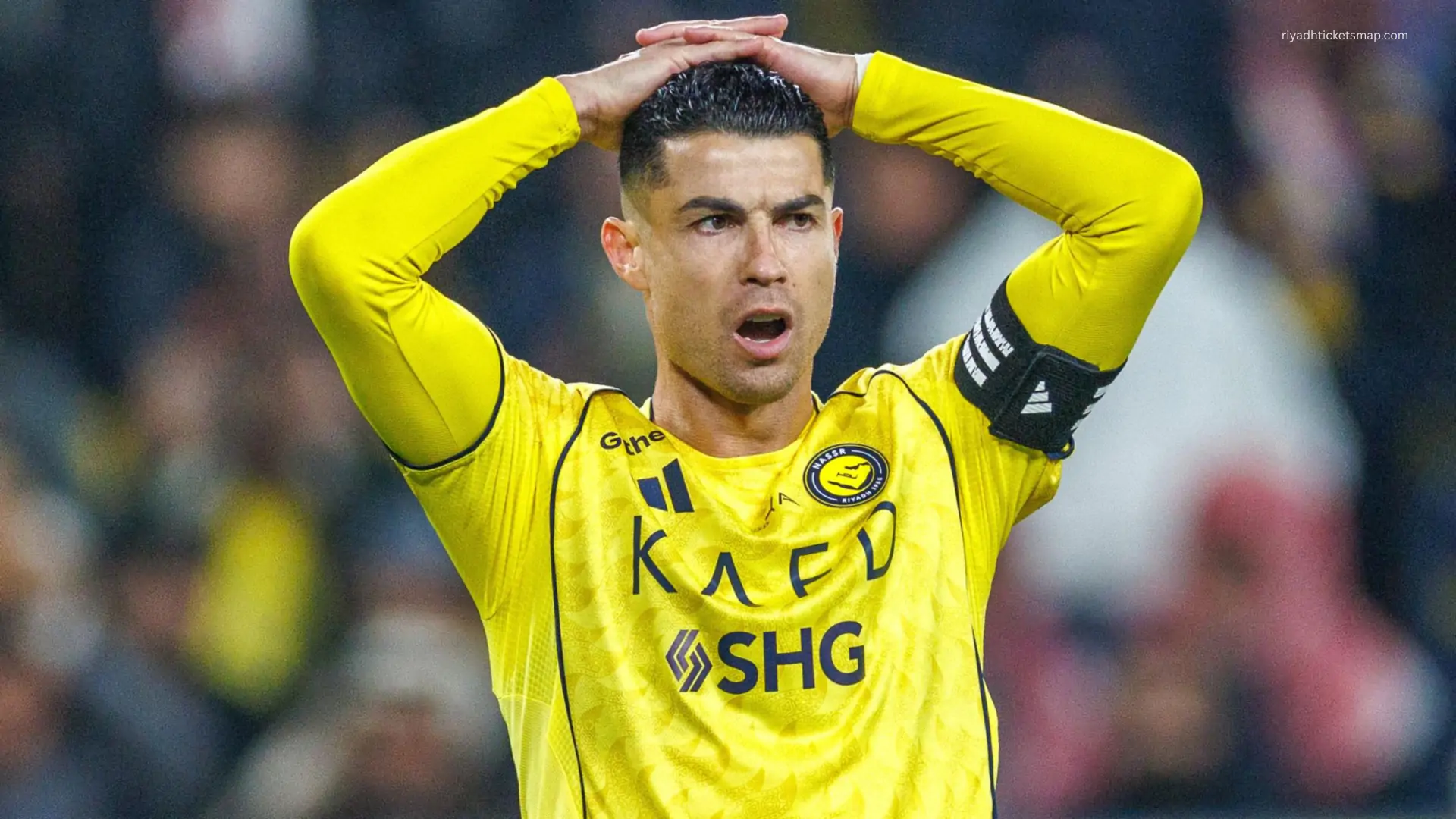
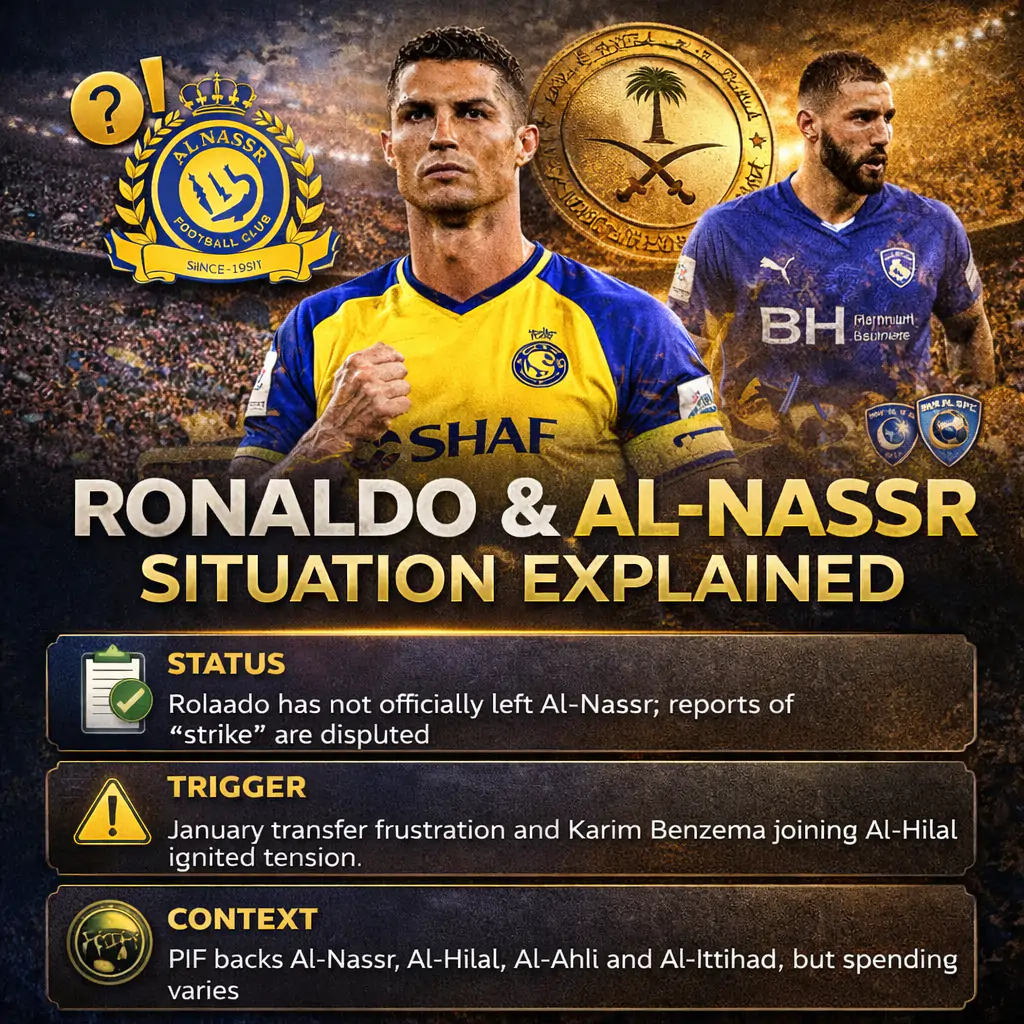
- Status: Cristiano Ronaldo is still in Riyadh and has continued training; no confirmed full training strike has taken place.
- Absence: He missed the Al Riyadh match amid a protest over club governance, not injury or fitness issues.
- Flashpoint: January window frustration and Karim Benzema joining Al-Hilal intensified concerns over competitive balance.
- What’s next: Officials expect Ronaldo to return vs Al-Ittihad, but final selection depends on ongoing talks.
Cristiano Ronaldo has not vanished from Riyadh, and there is no confirmed evidence that he has “gone on strike” in the literal sense of refusing to attend training. What is clear, based on parallel reporting, is that Al-Nassr are dealing with an internal flashpoint: Ronaldo missed the 1–0 win over Al Riyadh, the January transfer window has left him dissatisfied, and the power dynamics around the Saudi Pro League’s elite clubs are now being litigated in public.
Sky Sports say senior Saudi football officials expect him to return for Friday’s match against Al-Ittihad, while stressing that his comeback has not been formally confirmed.
The story has grown faster than the facts because it sits at the intersection of three things that feed modern football discourse: a global superstar, a title race, and a league structure that outsiders still don’t fully understand. When sources-based reporting (ESPN) and expectation-based reporting (Sky Sports) land in the same 24-hour window, social media tends to collapse nuance into a single word—“strike”—and treat it as settled.
The more useful approach is to separate what is verified from what remains conditional, then explain why Ronaldo’s frustration has real strategic consequences for Al-Nassr and the Saudi Pro League.
Cristiano Ronaldo Training Status
Sky Sports report that senior Saudi officials believe Cristiano Ronaldo is still in Riyadh, despite claims he flew to Portugal, and they expect him to play against Al-Ittihad on Friday. They also note his return has not been confirmed, describing it as an expectation rather than an announcement.
ESPN’s reporting adds an important detail: Ronaldo has trained with his team this week, even as sources describe his match boycott stance as linked to governance and guarantees around Al-Nassr’s management. That distinction matters—training participation points to an active professional routine, while match availability becomes the lever in a larger dispute.
So the clean read is this: the most credible reports do not support an “AWOL” narrative, but they do support a tense standoff about how Al-Nassr are being run and resourced. The noise is about a strike; the substance is about leverage.
Al Nassr Absence Vs Al Riyadh
Cristiano Ronaldo was missing from Al-Nassr’s matchday squad for the Saudi Pro League win over Al Riyadh, a game decided by a Sadio Mané goal. ESPN’s match record shows Mané scored in the 40th minute in a 1–0 victory.
ESPN sources frame the absence as a refusal to play in protest, tied to dissatisfaction with PIF’s level of backing and the recent transfer window.
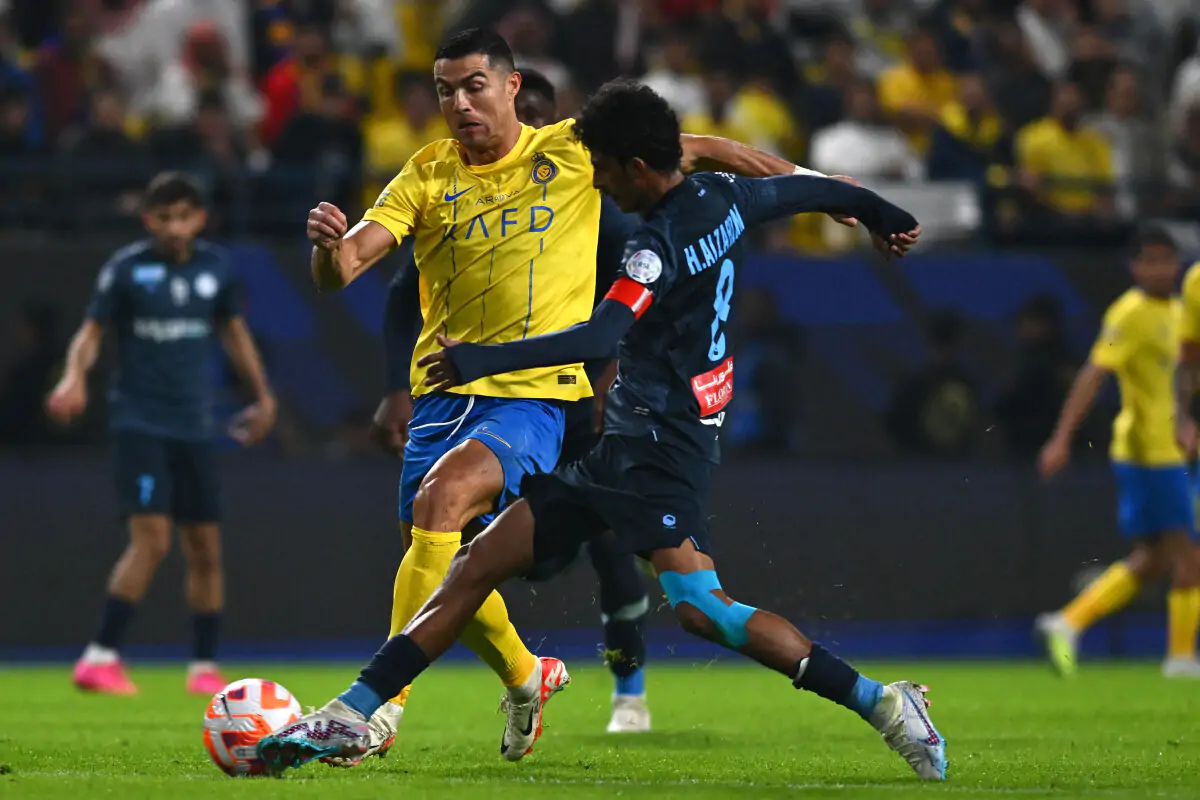
Sky Sports frame it through a slightly different lens: officials “expect” him to return, and they point to contractual obligation unless injured—again signalling that the dispute is not about fitness as much as authority and ambition.
It is worth being precise with language here. A boycott is a player refusing to participate in a match; a strike implies broader withdrawal from training and club duties; an omission can also be a technical decision by the coaching staff. The reporting you can responsibly stand behind supports “boycott/protest” as alleged by sources, and supports “still training / still in Riyadh” as a counterweight to the most extreme versions of the story.
PIF And Al Nassr Explained
The Public Investment Fund sits at the centre of this because it is both a competitive reality and a perception machine. Sky Sports describe Ronaldo’s concern as being about Al-Nassr not receiving the same level of backing as other leading clubs associated with PIF, naming Al-Hilal, Al-Ahli, and Al-Ittihad in that conversation.
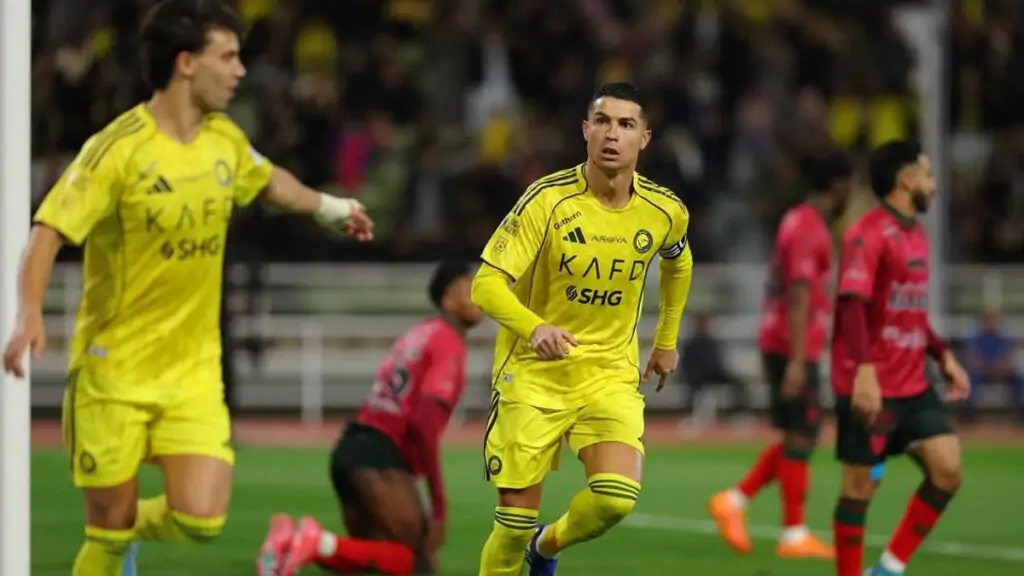
ESPN sources take it further, alleging Ronaldo’s protest is directly linked to governance interventions at Al-Nassr: they report that sporting director Simão Coutinho and CEO José Semedo—both Portuguese—were suspended by PIF, and that budget cuts hindered recruitment.
That claim matters because it frames the January window not as a simple “they didn’t sign players” complaint, but as a structural complaint: if the club’s decision-makers are constrained, the player’s competitive expectations collapse into a problem of control. In transfer-market terms, this is the difference between a quiet window and a window that signals reduced autonomy.
Prince Alwaleed And Al Hilal
One reason this saga has become politically charged is that Saudi football is no longer a single pipeline of centralised funding. Sky Sports explicitly state that Karim Benzema’s move to Al-Hilal was not funded by the league or PIF, but by a private Saudi investor: Prince Alwaleed bin Talal.
Al-Hilal themselves published a statement thanking Prince Alwaleed bin Talal for covering the full value of Benzema’s transfer. That public acknowledgement makes the “private benefactor” point more than just rumour—it is part of Al-Hilal’s own messaging.
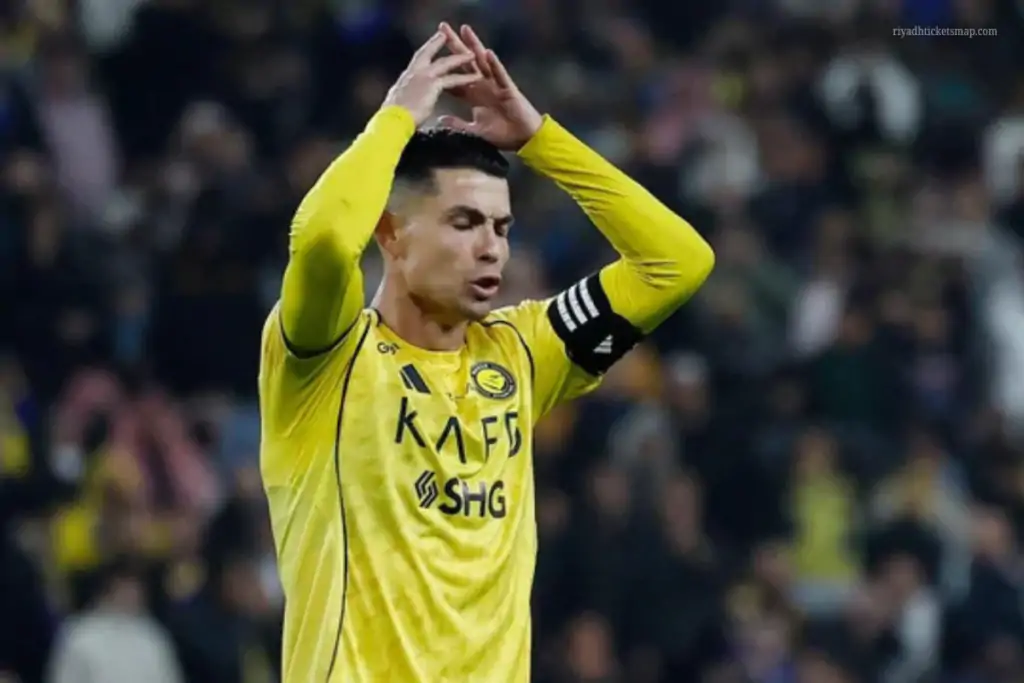
This matters for two reasons. First, it undermines simplistic narratives that “PIF picked a winner,” because private capital can amplify a club’s power even inside a league shaped by sovereign influence. Second, it widens the competitive lens: if private investors are active, then Al-Nassr’s pathway to matching Al-Hilal is not only about what PIF does, but also about what Al-Nassr can unlock through their own commercial and investor networks.
Karim Benzema Move Explained
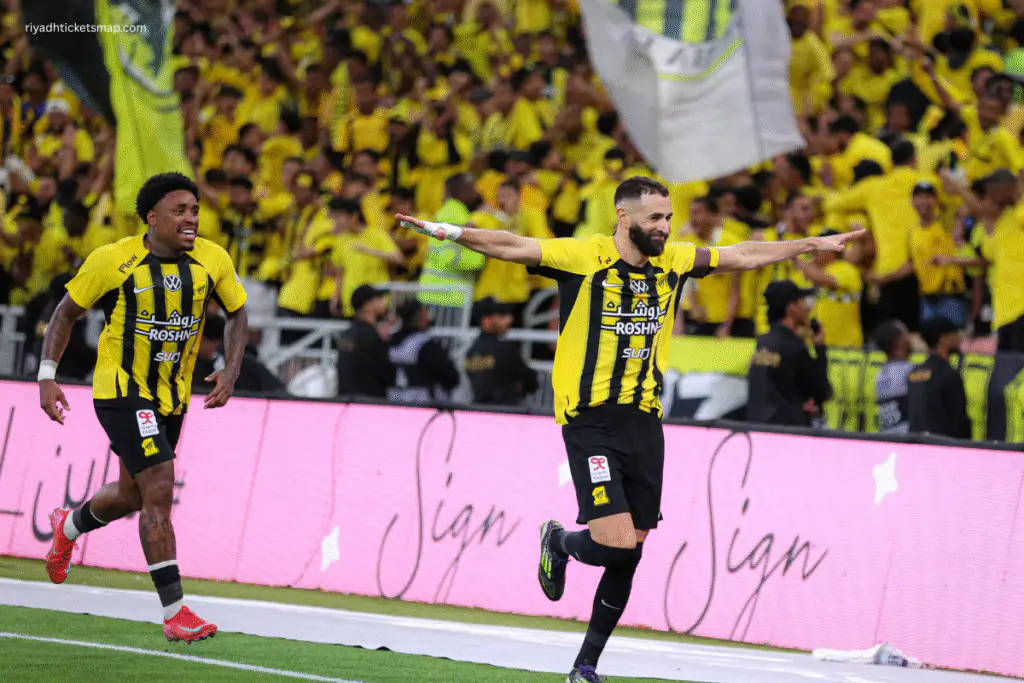
Karim Benzema joining Al-Hilal was the accelerant because it hit Ronaldo where he is most sensitive: competitive balance at the top of the table. Reuters reported that Benzema joined Al-Hilal after his contract with Al-Ittihad was terminated, signing on a free transfer for one and a half years, after rejecting an extension offer at Al-Ittihad.
Reuters also add the competitive context that turns this from a transfer story into a league story: Al-Hilal sit first on 47 points, one point ahead of Cristiano Ronaldo’s Al-Nassr, while Al-Ittihad are sixth with 34 points.
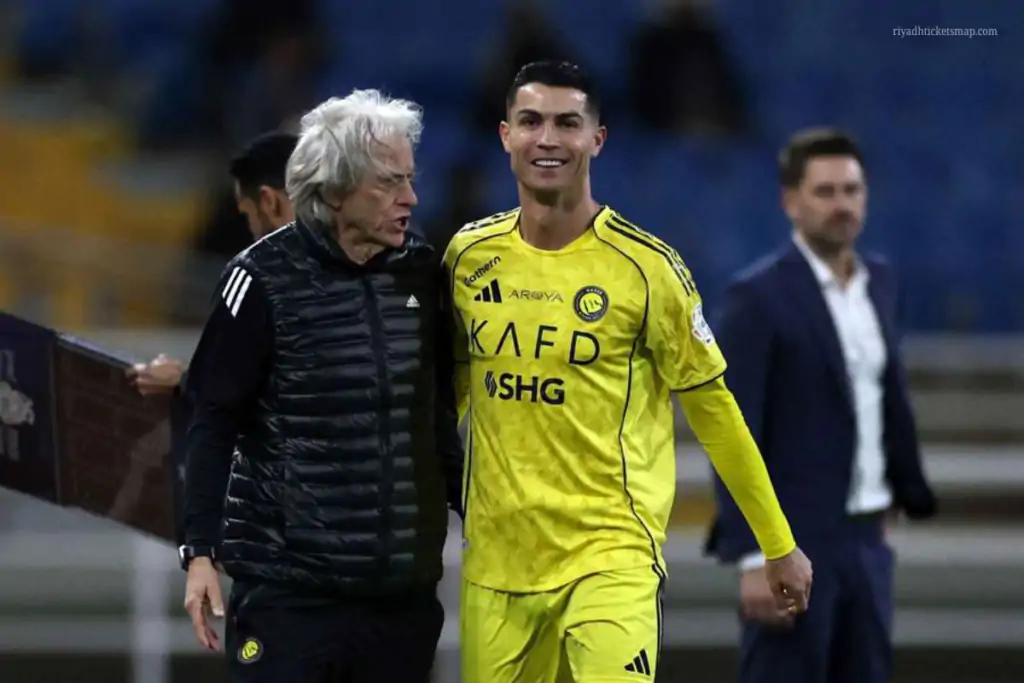
ESPN sources say Ronaldo tried to block the move because he viewed it as unfair and indicative of structural advantage for Al-Hilal. Whether or not he could meaningfully “block” a transfer is a separate debate; what matters is that credible reporting ties Benzema’s move to Ronaldo’s protest logic.
The Benzema angle also removes the comforting idea that this is merely a personal sulk. If your direct title rival adds a Ballon d’Or-winning striker midstream—especially one arriving from another heavyweight—the message to the rest of the league is clear: Al-Hilal are behaving like a club protecting first place, not simply collecting stars.
Cristiano Ronaldo Contract Mechanics
Sky Sports report that Ronaldo has 18 months left on his contract and that it includes a £43m (€50m) release clause that can be activated in the summer.
ESPN similarly reference a €50 million release clause and describe the likely timeline as June, not February, because the player’s leverage is greater when the season concludes and the summer market opens.
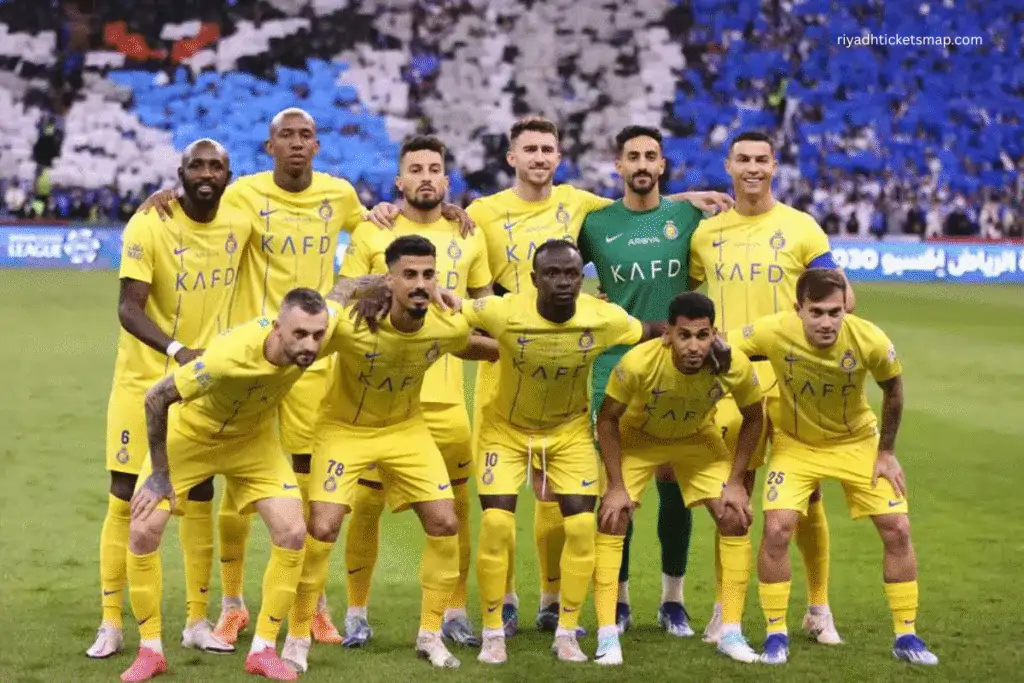
On the pitch, Ronaldo’s leverage is amplified by output. The Saudi Pro League’s official player page lists him with 17 goals in 18 league appearances in the 2025–26 season.
Portugal is not treated as a realistic destination in the reporting you’ve referenced, and the logic is straightforward. Even if romance sells, the economic and competitive incentives pull more strongly toward leagues that can absorb global salary structures and provide a new commercial chapter—most commonly framed as MLS, or a tightly conditional European option if a club wants a short-term finisher with brand gravity.
Saudi Pro League Stakes
The Saudi Pro League’s biggest vulnerability is not spending—it is credibility. When its most visible athlete is portrayed as questioning competitive integrity, the league’s narrative shifts from growth to governance, and that is a harder sell internationally.
Sky Sports are careful to present a Saudi perspective that “nothing has changed” and that the league believes funding is “clear and fair” across PIF-linked clubs. They also point to the existence of financial regulations and league mechanisms designed to maintain integrity and sustainability.
ESPN’s framing is more brittle: sources say the league does not want to lose its “biggest ambassador,” which is less a sentiment than a commercial fact.
The key point is that this dispute is occurring while Al-Nassr are still within touching distance of first place. In other words, the league cannot treat this as background noise; it is happening at the sharp end of the competition.
Al Nassr Next Steps
In the short term, the immediate inflection point is Al-Nassr vs Al-Ittihad. Sky Sports say officials expect Ronaldo to return for Friday’s match, while ESPN sources suggest he could boycott a second straight game unless he receives concrete guarantees about management changes.
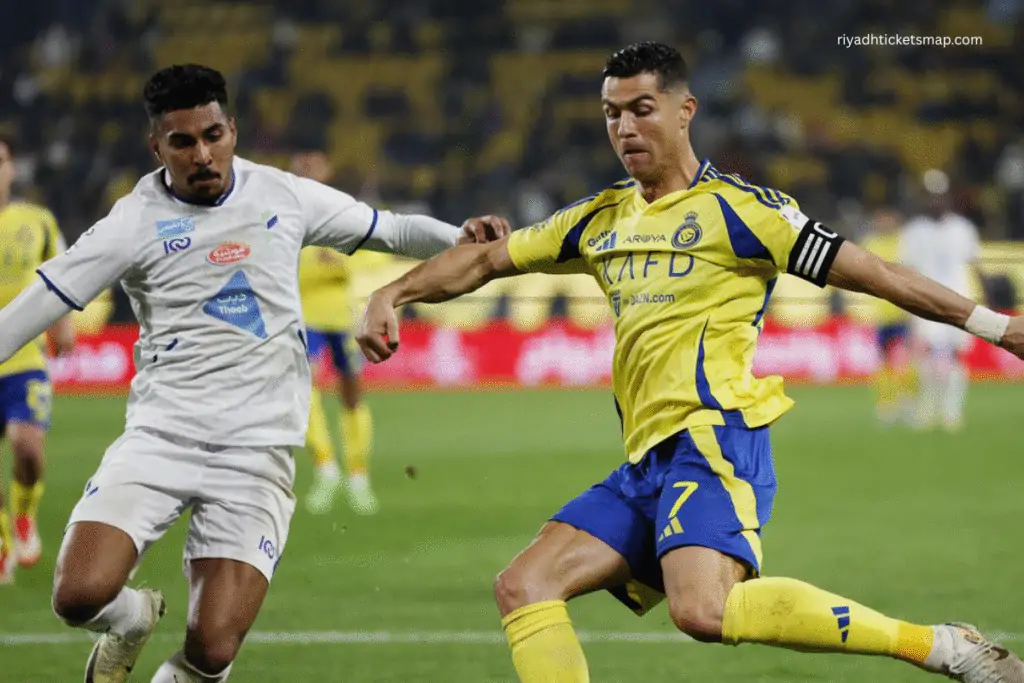
That contradiction does not mean one outlet is “wrong.” It means the situation is fluid: expectation and negotiation can coexist, and both sides have incentives to project control.
In the medium term, June is the real date to watch. The combination of a reported release clause, summer investment promises referenced by sources, and the natural reset of the transfer market makes escalation less likely in the immediate week—because both Al-Nassr and the Saudi Pro League have every reason to stabilise the story now, then address structural issues in the summer window.
If you want a single-sentence summary that holds up under scrutiny: Ronaldo appears to be training, appears to be in Riyadh, and appears to be using match availability—rather than a total walkout—as leverage in a dispute about Al-Nassr’s autonomy and competitive resourcing in a title race shaped by both sovereign and private money.